
Finding an old coin tucked between sofa cushions or inherited in a shoebox can flip an ordinary day into a small adventure. But before excitement takes over, it helps to know how to separate a neat curiosity from something genuinely valuable. This guide walks you through the essential, practical steps: identifying what you have, judging condition, confirming metal content, checking real-world prices, and deciding whether professional help makes sense. Read on with a loupe in one hand and a healthy dose of skepticism in the other.
We’ll keep things hands-on and jargon-friendly. No long histories or price lists that are outdated by next month—just the tools, tests, and research habits that will let you determine a coin value checker value responsibly. Whether you’re a casual finder, a new collector, or someone sorting through an estate, these steps will help you make better decisions and avoid common traps.
Start with Identification
Identification is the foundation. Note the denomination, date, mint mark (a small letter or symbol indicating where the coin was struck), and any obvious design features. A handful of coins are immediately recognizable—Morgan dollars, Lincoln cents, or older British sovereigns—but many require closer inspection to place them correctly.
Use a loupe or magnifying glass to examine small details such as mint marks, double dates, or die cracks. Photograph both sides under good light and, if possible, against a neutral background. Those photos will be invaluable when you’re consulting catalogs, posting on forums, or asking a dealer for a quick opinion.
Tools You’ll Need
You don’t need a full workshop. A few affordable tools will dramatically improve your ability to identify and evaluate coins accurately.
- 10x loupe or magnifier — reveals fine details and wear.
- Digital calipers — measure diameter and thickness precisely.
- Accurate digital scale (0.01 g resolution) — checks weight versus specs.
- Soft cotton gloves — protect coins from oils and fingerprints.
- Good light source — natural daylight or LED lamp avoids false color readings.
- Reference resources — a recent coin guide, PCGS/NGC online databases, and auction archives.
| Tool | Purpose |
|---|---|
| Loupe | Inspect wear, mint marks, and small details |
| Calipers & Scale | Confirm size and weight to detect counterfeits |
| Gloves & Soft Cloth | Protect surfaces; never clean valuable coins |
Understanding Condition and Grading
Condition is often the single biggest factor in value. Collectors and dealers talk in grades: a coin with heavy wear is worth far less than the same coin with sharp details intact. The most widely used scale in the United States is the Sheldon scale (1–70). Low numbers mean heavy wear; 60+ numbers represent near-mint or mint state examples.
Three simple observations that matter: how much high-relief detail remains, whether the surfaces show scratches or corrosion, and if the coin has been cleaned or altered. Cleaning, even with subtle DIY techniques, usually destroys market value because it changes the surface and eye appeal.
| Grade Range | Description | Typical Impact on Value |
|---|---|---|
| 1–20 | Heavily worn, details mostly gone | Low |
| 21–40 | Moderate wear, major features visible | Modest |
| 41–59 | Light to moderate wear; clear details | Moderate to good |
| 60–70 | No wear (mint state) or proof quality | Often high, premium prices |
When to Consider Professional Grading
Professional grading services such as PCGS and NGC provide authentication, a numerical grade, and secure encapsulation. Consider grading when a raw coin is likely worth several hundred dollars or more in a higher grade, when you need a trustworthy provenance for sale, or when rarity means grade swings dramatically affect price.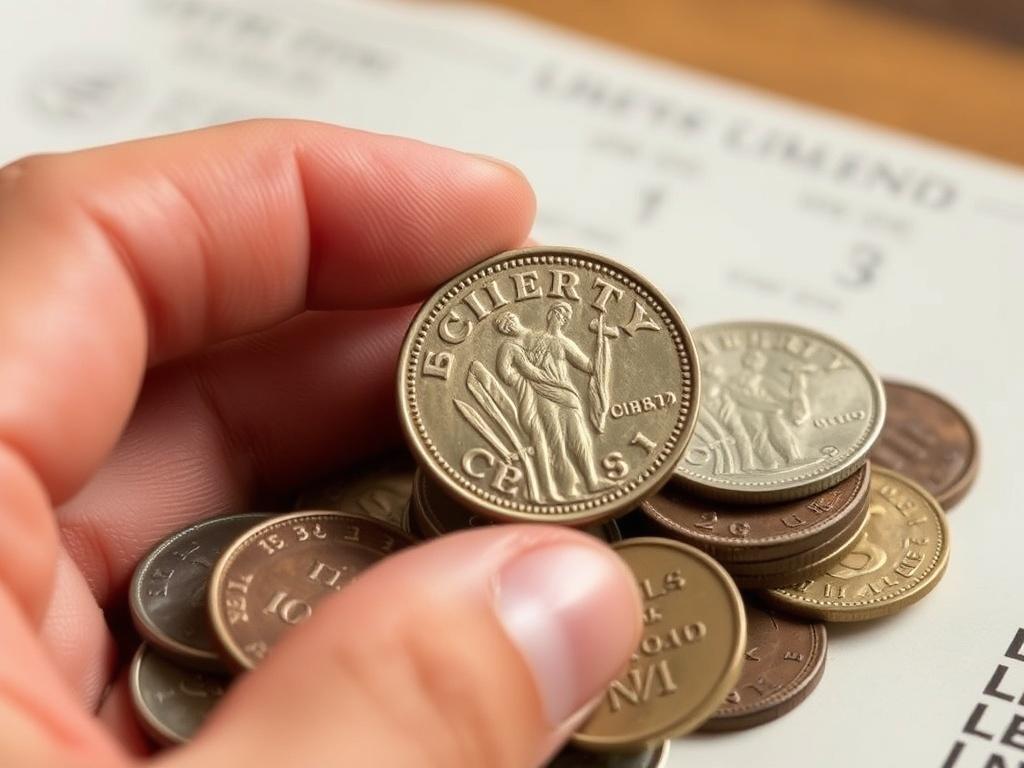
Keep in mind grading has costs—submission fees plus potential shipping and insurance—and turnaround times vary. Grading can increase liquidity and buyer confidence but not every coin justifies the expense. Use comparative auction results to estimate whether the expected increase in sale price will exceed grading fees.
Rarity, Mintage, and Demand
Two coins of the same type and grade can have drastically different values because of rarity and collector demand. Mintage numbers tell you how many were originally made, but survival rate and collector interest matter more. A million pieces minted doesn’t mean they survive in the same numbers today, nor does it mean collectors want them.
Research mintage figures in reference books or trusted online catalogs, and then look up auction results for comparable pieces. A coin tied to a compelling historical moment or a series popular with collectors will command higher premiums. Regional and topical interests (e.g., coins from a particular era or featuring a particular portrait) can create pockets of high demand.
Metal Content and Intrinsic Value
Some old coins have value tied directly to their metal content—silver, gold, or platinum—while others are worth more as collectibles. To assess intrinsic metal value, check the coin’s composition and weigh it precisely. Multiply the metal weight by the current spot price of the metal, and you’ll get a baseline.
Simple, non-destructive tests can help verify metal content: a magnet test (most genuine gold and silver are non-magnetic), measuring weight and size against official specs, or specific gravity tests that use water displacement. Do not use harsh chemical tests on potentially valuable pieces; if composition remains uncertain, local dealers or labs offering X-ray fluorescence (XRF) analysis can confirm metals without damaging the coin.
Pricing Sources and Research Methods
Price guides are a starting point—not gospel. Use a combination of authoritative resources: PCGS and NGC online price guides, the Red Book for U.S. coins, auction houses (Heritage, Stack’s Bowers), and sold eBay listings for comparable coins. Auction records show what buyers actually paid, which is often more informative than list prices.
When using online marketplaces, filter results to “sold” or “completed” listings and compare coins by grade, strike quality, and toning. Post clear photos and measurements to collector forums if you want crowd-sourced opinions; experienced collectors often spot problems or rare varieties quickly. Keep notes: date, mint mark, observed grade, comparable sale prices, and whether the sample was raw or slabbed.
- Check multiple sources to see a price range, not a single number.
- Prefer auction results and recent sales over printed guides.
- Adjust for grade: a coin in lower condition sells for a fraction of the same date in top condition.
Interpreting Price Guides vs Real-World Prices
Printed guides and online price listings commonly display a “trading” price that assumes ideal market conditions and buyer knowledge. In practice, sale prices differ for many reasons: seller urgency, buyer competition, grading status, and even the platform used. Expect to see discrepancies and use price guides to set a realistic range rather than a fixed target.
Common Pitfalls and How to Avoid Them
Several recurring mistakes cost people money: cleaning coins, trusting “too good to be true” offers, failing to verify mint marks altered by tools, or mistaking modern restrikes for originals. Counterfeiters are increasingly sophisticated, especially with high-value series.
- Never clean a coin you suspect is valuable—cleaning damages surfaces irreversibly.
- Watch for altered coins: added mint marks, re-engraved dates, or filed edges.
- Use weight and dimension checks to catch many common counterfeits.
- Be cautious of anonymous online buyers or sellers with poor feedback.
Practical Step-by-Step Checklist
Here’s a short checklist you can follow when you find an old coin.
- Handle with gloves and photograph both sides under good light.
- Identify denomination, date, and mint mark using a loupe and reference guides.
- Weigh and measure the coin to compare with published specs.
- Assess condition: note wear, scratches, toning, or cleaning signs.
- Research price guides, auction archives, and sold listings for comparable coins.
- Decide whether professional authentication or grading is justified by potential value.
- If selling, select a reputable dealer or auction house and be honest about condition and provenance.
Where to Sell or Get Appraisals
Options include local coin dealers, national auction houses, online marketplaces, coin shows, and certified grading companies. Each option has trade-offs: local dealers offer speed and convenience but may pay less than auction buyers; auctions can maximize price but include fees and delays. Get multiple opinions before committing to a sale, and always document correspondence and offers.
Short Case Study
Imagine you find a worn silver dollar with a date partially visible. You photograph it, check the diameter and weight to confirm it’s a genuine silver dollar, and use a loupe to spot a rare mint mark. Online auction archives show a similar raw example selling well above guide value in high grade. Given the potential, you decide to have it authenticated by a grading service. The slabbed coin sells at auction for a premium that offsets grading costs. The difference between a quick sale and a patient, documented approach is the difference between a small payday and a meaningful return.
Final Tips
Curiosity and careful research reward collectors more reliably than impulse. Keep a simple notebook or spreadsheet recording what you find and what you learn about each coin. If you get emotionally attached, you might miss a good sale—or a warning sign. Develop relationships with a few trusted dealers and experienced collectors; their real-world knowledge complements any guidebook or website.
Conclusion
Checking the value of old coins is a practical mix of observation, measurement, research, and a little patience. Start by identifying and photographing the coin, use basic tools to check size and weight, never clean potentially valuable pieces, and consult multiple sources—price guides, auction results, and experienced dealers—before deciding how to proceed. When a coin appears genuinely valuable, professional authentication can unlock higher prices and wider buyer interest. Above all, keep records and resist quick judgments; the market rewards careful, informed actions more than hasty excitement.


